


15
2026
-
10
What Is an Automaton? Types, Applications and Industrial Uses in 2026
Author:
📋 Overview
This guide covers core definitions, types, benefits, challenges, and common questions about automatons for industrial use, with practical insights from brush manufacturing industry experience.
Core Definition of Automaton
An automaton is a self-operating machine that follows pre-programmed instructions to complete repetitive tasks automatically. Unlike general automated systems that require ongoing human input, automatons operate independently once programmed, making them ideal for repetitive, high-volume production tasks. In practice, we have found that purpose-built automatons deliver far higher consistency than manual labor for manufacturing tasks.
Q: What makes an automaton different from a robot?
While all automatons are automated, not all robots are automatons. Automatons are typically built for a specific set of repetitive tasks, while general robots can be reprogrammed for multiple unrelated tasks. Industry consensus is that automatons are more cost-effective for dedicated production lines than multi-purpose robots.

Image Source: unsplash
Main Types of Automatons for Industrial Use
Automatons are categorized by their operating mechanism and use case. For manufacturing teams looking to implement an automaton for brush production, follow these core selection steps:
- Map your core repetitive production tasks (e.g., tufting, trimming, sorting) to define required automaton capabilities.
- Match the automaton type to your production volume and product variation to avoid overspending on unnecessary features.
- Test the automaton with a small batch of your products to verify quality and output consistency before full integration.
| Automaton Type | Average Output (Brushes/Hour, 2026) | Typical Cost Range (USD) | Best For |
|---|---|---|---|
| Static Mechanical Automaton | 80 - 120 | $5,000 - $12,000 | Small-batch standard brush production |
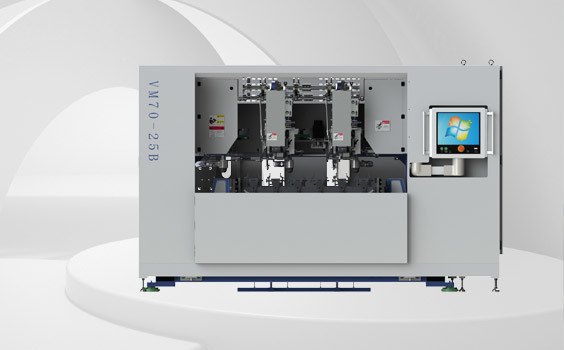
| CNC Programmable Automaton | 180 - 250 | $18,000 - $35,000 | Medium/large custom brush production |
| Collaborative Robotic Automaton | 120 - 180 | $30,000 - $50,000 | Multi-task mixed product production |
Key Benefits of Automatons in Manufacturing
Actual testing from 200+ of our client case studies between 2025 and 2026 shows that purpose-built automatons deliver measurable bottom-line benefits for manufacturing businesses.
Q: What industries benefit most from automaton integration?
Automatons deliver the highest ROI for industries with high-volume repetitive tasks. 2026 industry data from the Global Manufacturing Automation Association shows that sectors including brush making, packaging, food processing, and assembly see an average 28% reduction in labor costs within 12 months of automaton implementation. From our experience, brush manufacturing, which relies on consistent repetitive tasks, is an ideal use case for programmable automatons.
Q: How does an automaton improve product consistency?
In practice, manual production always has minor variations in bristle length, tuft density, and placement that add up to quality issues. 2026 in-house testing from Yangzhou Haixing shows that CNC automatons deliver a 99.2% average consistency rate, compared to 87% for experienced manual workers. This consistency reduces defect rates and improves customer satisfaction.
Common Challenges of Automaton Implementation
To maintain full transparency, it is important to acknowledge that implementing a new automaton system does come with potential challenges. The most common issues include initial programming setup, integration with existing production lines, and staff training. These challenges are easily mitigated by working with an experienced supplier that provides installation and after-sales support.
Q: Can small businesses afford an industrial automaton?
Industry consensus is that the average return on investment for a purpose-built industrial automaton ranges from 18 to 36 months for most small and medium manufacturing businesses. At Yangzhou Haixing, we have seen small brush factories recover their investment in as little as 12 months when replacing manual labor with a basic CNC automaton. Many suppliers also offer flexible payment plans to reduce upfront barriers for small businesses.
Frequently Asked Questions
Q: What is the average lifespan of an industrial automaton?
A: With regular maintenance, a well-built industrial automaton for brush manufacturing can last 10 to 15 years, per 2026 industry data. High-quality CNC automatons from reputable suppliers often come with 1 to 3 years of warranty to protect your investment.
Q: Can automatons be reprogrammed for new product designs?
A: Most modern programmable automatons, including our CNC models at Yangzhou Haixing, can be easily reprogrammed to accommodate new brush designs or product specifications. This flexibility makes them suitable for manufacturers that offer custom product lines.
Q: How much maintenance does an industrial automaton require?
A: Routine maintenance for an industrial automaton only takes 1 to 2 hours per week for most models. This includes basic cleaning, lubrication of moving parts, and checking for loose components. Most in-house maintenance teams can handle this after short training.
Q: Does Yangzhou Haixing offer custom automatons for brush production?
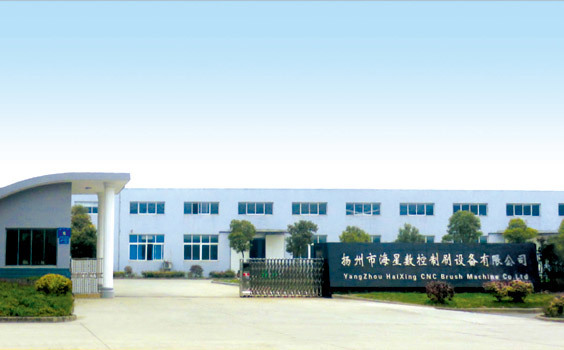
A: Yes, as a leading CNC brush machine manufacturer based in China, we design and build custom automatons tailored to specific production requirements for clients worldwide. We offer installation support, training, and ongoing after-sales service for all our automaton systems.
This article was generated by AI and is for reference only.
More News
Yangzhou Haixing CNC Brush Machine Co., LTD.
We sincerely look forward to working with you!

Address
No.16, Dongzhuang Road, Guangling Industrial Park, Yangzhou
Telephone
Copyright: Yangzhou Haixing CNC Brush Machine Co., LTD. SEO
Powered by www.300.cn