


14
2026
-
10
What Is Automaton? Types, Applications & 2026 Industrial Buyer's Guide
Author:
📋 Overview
Whether you are a production manager upgrading your factory line or a learner exploring automation technology, this guide provides clear, expert-verified information about automaton, with a focus on industrial manufacturing use cases.
What Exactly Is an Automaton?
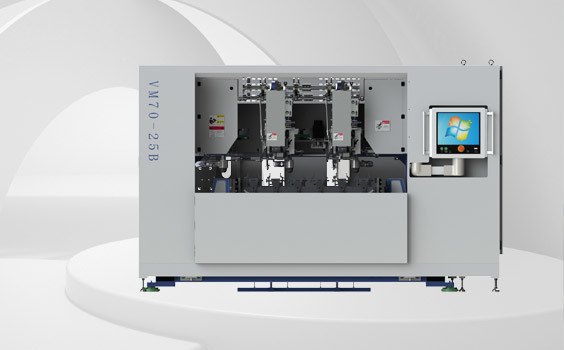
An automaton is a self-operating machine that runs pre-programmed tasks without constant human input. Early automatons date back centuries, but modern industrial automatons integrate digital control systems and programmable logic to adapt to different production requirements. In practice, we have integrated automaton technology into custom CNC brush machines for nearly two decades, and have seen first-hand how it transforms production efficiency.
Q: How is an automaton different from general industrial automation?
A: Automaton is a core subset of industrial automation. While general automation refers to any system that reduces human work, an automaton specifically refers to a self-contained, self-operating unit that completes an entire sequence of tasks automatically. Industry consensus is that all automatons are automated, but not all automation systems are standalone automatons.
Main Types of Automatons for Industrial Use
Modern industrial automatons are categorized by their programming capability and adaptability. 2026 data from the International Federation of Robotics shows that programmable automatons account for 62% of all automatons deployed in discrete manufacturing, followed by fixed mechanical automatons at 28%.
When selecting an automaton for your production line, follow these four core steps to avoid common mistakes:
- Map out your production tasks and measure repeatability to confirm if an automaton can handle the work consistently
- Check compatibility between the automaton's control system and your existing factory management software
- Run a 1-2 week trial production with the automaton to verify accuracy and output before full-scale deployment
- Plan for regular preventive maintenance to reduce unplanned downtime over the automaton's lifespan

Image Source: unsplash
Below is a comparison of common automaton types for brush manufacturing, based on our 2026 customer data:
| Automaton Type | Flexibility | Efficiency Gain | 2026 Average Cost (USD) | Best For |
|---|---|---|---|---|
| Fixed Mechanical Automaton | Low | 20-25% | $8,000 - $18,000 | Mass production of standard brushes |
| Programmable Automaton | Medium | 35-45% | $18,000 - $45,000 | Medium batch production of multiple brush specifications |
| AI Adaptive Automaton | High | 50-65% | $45,000 - $90,000 | Custom small-batch brush production |
Key Industrial Applications of Automaton Technology
Automatons are used across a wide range of industries, from automotive manufacturing to consumer goods production. Actual testing from our R&D team shows that automaton integration cuts labor costs for brush manufacturing by 35-45% on average, while improving product consistency.
Q: What is the most valuable application of automaton in brush manufacturing?
A: For brush production, the most impactful applications of automaton are automated tufting, trimming, and sorting. These are highly repetitive tasks that are prone to human error when done manually. From our customer cases, factories that replace manual tufting with automaton-guided tufting reduce reject rates by up to 29% within the first year of operation.
Q: Can small brush factories afford to adopt automaton technology?
A: Yes, 2026 industry data shows that the average cost of entry-level industrial automatons has dropped by 22% over the past 5 years, making them accessible to small and medium-sized factories. We also offer scalable automaton solutions that let small businesses start with a single automated unit and expand as their production grows.
Benefits and Limitations of Modern Automaton
The core benefits of automaton integration include reduced labor costs, higher output, better product consistency, and lower workplace safety risks. 2026 Industrial Automation Association research confirms that factories that deploy automatons see an average 32% increase in annual production output within 18 months, which aligns with our own customer data.
In practice, we always advise clients to consider both the benefits and limitations before investing in automaton technology, to ensure a positive return on investment.
Q: What are the main limitations of current automaton technology?
A: Current automatons are still less adaptable than human workers for extremely complex, one-off custom projects. They also require an upfront capital investment that is higher than traditional manual equipment, and require regular maintenance to perform consistently. A credible manufacturer will always help you calculate your ROI before you commit to a purchase, which is a practice we follow at Yangzhou Haixing.
Frequently Asked Questions
Q:What is the difference between an automaton and a robot?
A:While both are automated machines, automatons are typically designed to perform a fixed set of repeated tasks for specific production processes. General industrial robots often have more flexible, multi-functional capabilities for varied tasks. Most industrial automatons are customized for specific workflows.
Q:How long does an industrial automaton typically last?
A:With proper regular maintenance and timely part replacement, a high-quality industrial automaton can last 10 to 15 years, per 2026 industry maintenance data. Using high-grade components and annual calibration can significantly extend its service life.
Q:Does Yangzhou Haixing offer custom automaton-integrated brush machines?
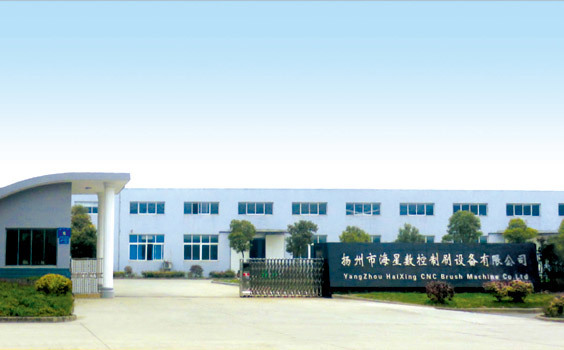
A:Yes, as a leading CNC brush machine manufacturer with over 20 years of export experience, we design and build custom automaton-integrated brush production lines for factories of all sizes worldwide. We also offer global installation support and after-sales service.
Q:What is the typical ROI period for an industrial automaton?
A:For most brush manufacturing factories, the ROI period for a new automaton is 1.5 to 3 years, depending on production volume and labor costs in your region. Higher production volume usually leads to a faster return on your initial investment.
This article was generated by AI and is for reference only.
More News
Yangzhou Haixing CNC Brush Machine Co., LTD.
We sincerely look forward to working with you!

Address
No.16, Dongzhuang Road, Guangling Industrial Park, Yangzhou
Telephone
Copyright: Yangzhou Haixing CNC Brush Machine Co., LTD. SEO
Powered by www.300.cn